
Trusted Plumber in San Ramon, CA
Licensed Plumbing and Water Heater Pros Serving Every San Ramon Neighborhood
The water heater in your garage stopped producing hot water three days ago. The kitchen drain backs up every time someone runs the dishwasher. A slow leak under the master bathroom has been dripping long enough to warp the subfloor. These are the problems San Ramon homeowners call us about every week.
Barnett Plumbing & Water Heaters has served San Ramon homes for over 20 years. Our nearest office is in Pleasanton at 4713 First Street, Suite 242, less than 10 minutes from most San Ramon neighborhoods. Call (925) 294-0171 and a Barnett plumber will be on the way.
Full-Service Residential Plumbing for San Ramon Homes
San Ramon’s housing stock spans four decades of rapid growth. Older homes in neighborhoods like Crow Canyon and Newcastle run on pipe materials and fixture connections that were standard in the 1970s and 1980s but are reaching the end of their service life today. Newer communities like Dougherty Valley use modern PEX and copper, but even recent construction develops problems when installation shortcuts meet years of daily use.
Every job follows California Plumbing Code (CPC) standards. We pull all required permits through the City of San Ramon, coordinate inspections, and guarantee our work.
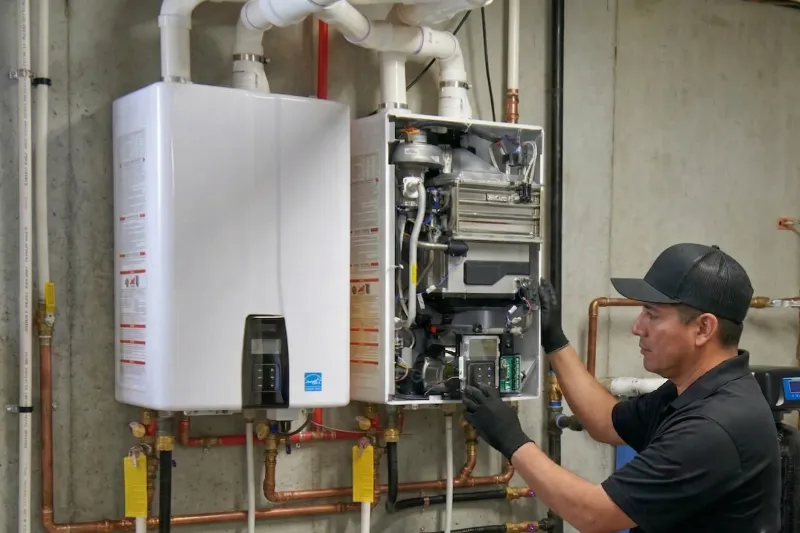
San Ramon has seen a surge in accessory dwelling units (ADUs) and garage conversions over the past several years. These additions demand new hot water capacity, extended drain lines, and upgraded supply piping. We design and install systems that handle the increased load without starving the main house of pressure or hot water.

Water Heater Services
Plumbing Services
Tell Us What's Going On. We'll Handle It.
How San Ramon's Geography and Climate Affect Your Plumbing
Alluvial Soils and Ground Movement
Seismic Activity
Elevation and Water Pressure Variation
Heat, Drought, and UV Exposure
Neighborhood-Specific Plumbing Challenges Across San Ramon
San Ramon grew in distinct waves. The decade your home was built determines what pipe materials are inside your walls and under your foundation. Here is what we see in each major area.
Gale Ranch & Windemere
1990s-2000s / Master-Planned / Polybutylene Risk / Complex Hot Water Systems
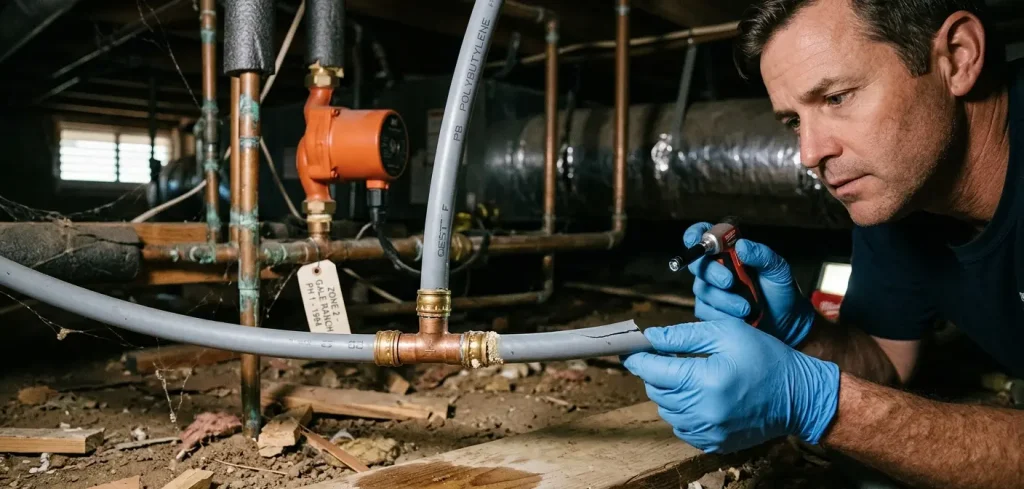
Toll Brothers and Shappell built these communities in phases starting in the early 1990s. Larger homes here run multiple hot water zones, recirculation loops, and high-fixture-count bathrooms. Early phases (pre-1997) may contain polybutylene supply lines, a material that becomes brittle from chlorinated municipal water and fails without warning. Later phases transitioned to copper and PEX. If your Gale Ranch home was built before 1997, a pipe material inspection is worth the peace of mind.
Norris Canyon Estates
Custom Luxury / Hillside Terrain / Pressure Regulation / Access Challenges
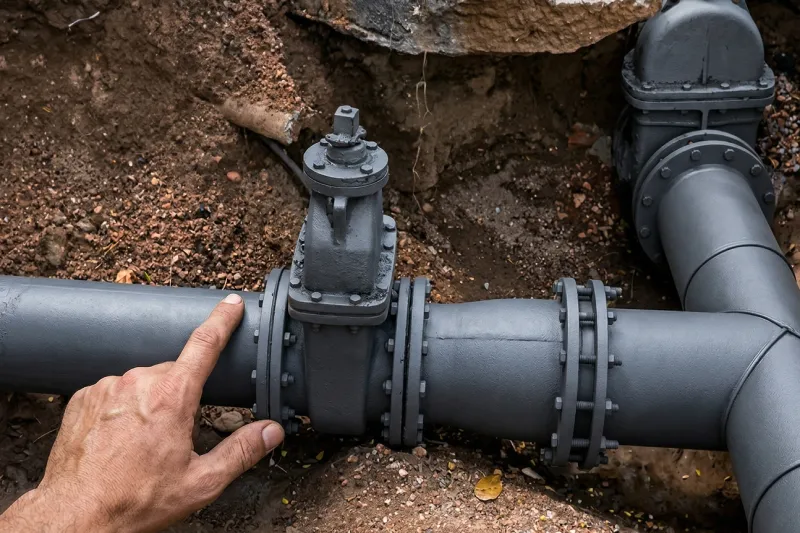
Gated community on the western hillside with custom homes and valley views. Elevated terrain means water pressure from EBMUD can exceed safe residential operating range. We install and calibrate pressure-reducing valves to protect fixtures, supply lines, and appliance connections. Steep driveways and tight lot access add complexity to every service call, but our crews work hillside properties throughout the Tri-Valley.
Dougherty Valley
2000s-2010s / DSRSD Water / Newer Construction / Builder-Grade Systems
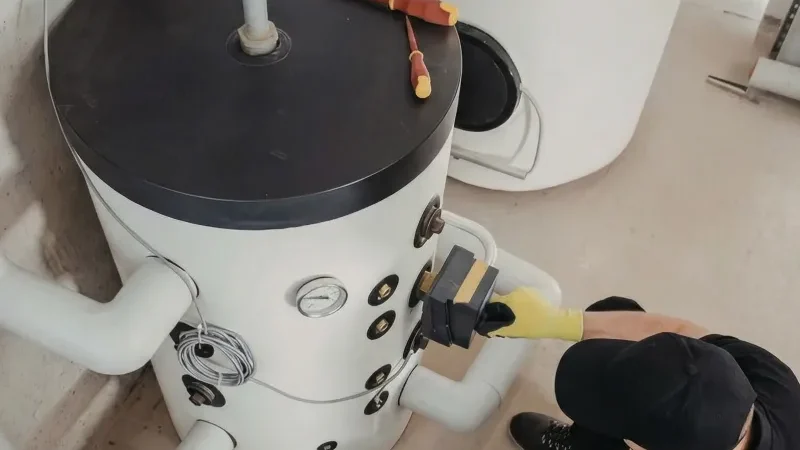
The newest major development in San Ramon. Homes here use modern PEX and copper, but builder-grade water heaters, garbage disposals, and fixture connections installed during mass production often underperform within 8 to 12 years. Dougherty Valley is served by DSRSD rather than EBMUD, which means a different water source and different pressure characteristics than the rest of San Ramon.
Crow Canyon & Canyon Lakes
1970s-1980s / Aging Copper / Galvanized Remnants / Sewer Line Wear
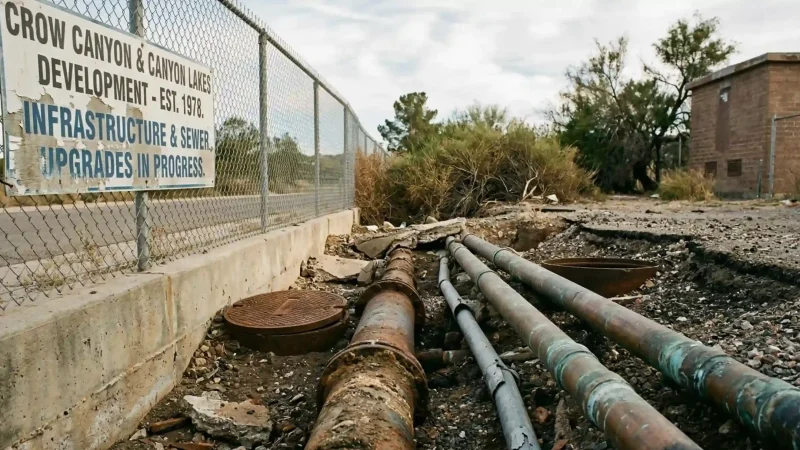
Established neighborhoods with homes that have passed the 40-year mark. Original copper supply lines are approaching end of life, and some homes still have galvanized steel sections that restrict flow and push rust into the tap water. Sewer lines in these areas have had decades of root exposure from mature landscaping, and clay pipe joints have shifted as the ground settled over time.
Bollinger Hills & Twin Creeks
1980s-1990s / Mid-Life Systems / Polybutylene Window / Water Heater Age
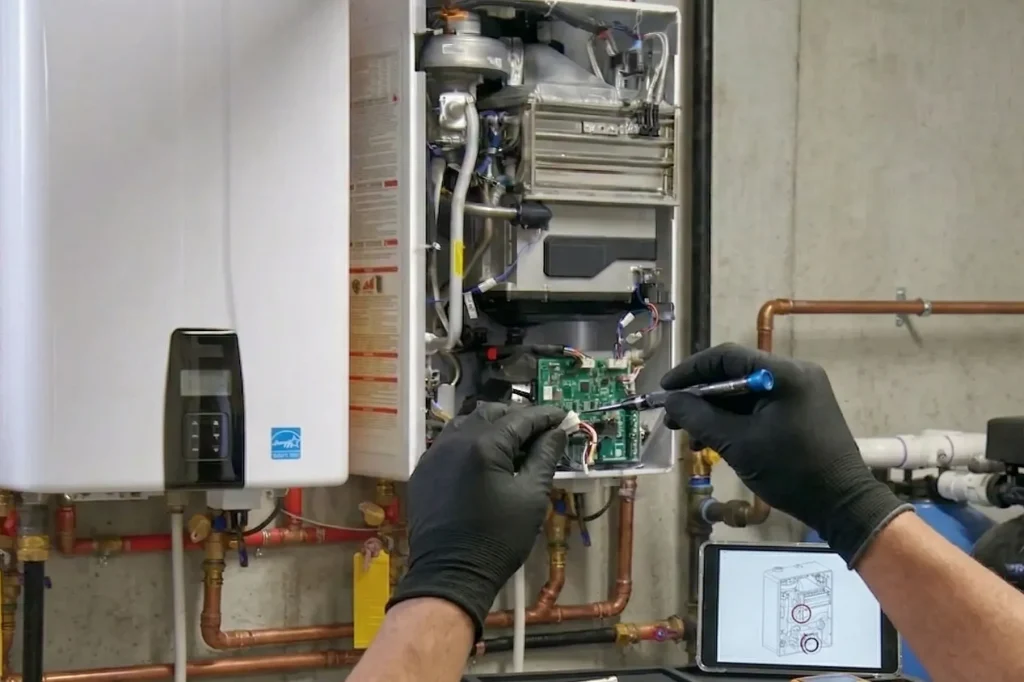
Homes in the 30 to 40-year range where original water heaters, supply piping, and sewer connections are reaching or have passed their expected service life. Many properties in this build window used polybutylene piping. Proactive inspection and phased replacement saves these homeowners thousands compared to emergency repairs after a sudden failure.
Newcastle & Alcosta Heights
1960s-1970s / Oldest Housing Stock / Full Repiping Candidates / Cast Iron Sewers
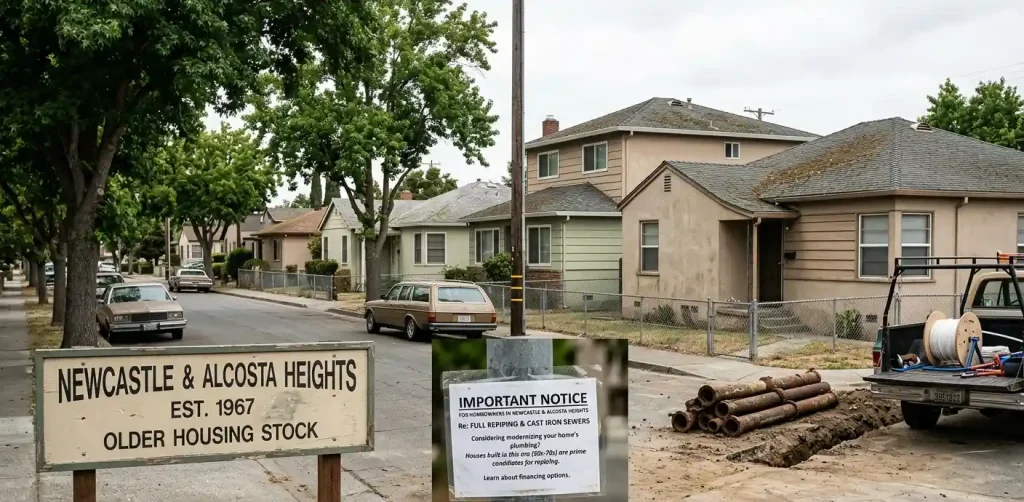
San Ramon’s earliest subdivisions. Galvanized steel supply lines in these homes have long exceeded their 40 to 50-year lifespan. Cast iron sewer lines are cracking and separating at joints. Many of these homes are strong candidates for whole-house repiping and sewer line replacement. We walk homeowners through phased upgrade plans that spread the investment over time when a full replacement is not immediately urgent.
Pipe Material Lifespan Timeline
Galvanized Steel: 30-50 years. Expired for any home built before 1980.
Cast Iron: 50-75 years. Expired for pre-1970s sewer and drain lines.
Clay Sewer Laterals: 50-60 years. Standard in post-WWII construction. Brittle, root-prone, and failing across Castro Valley.
Copper: 50-70 years. Approaching end of life for 1950s and 1960s homes.
PEX: 40-50+ years. Modern replacement material. Flexible, resistant to corrosion.
Not Sure What's Wrong? Describe It. We'll Figure It Out.
Polybutylene Pipes in San Ramon: The Hidden Risk in Pre-1997 Homes
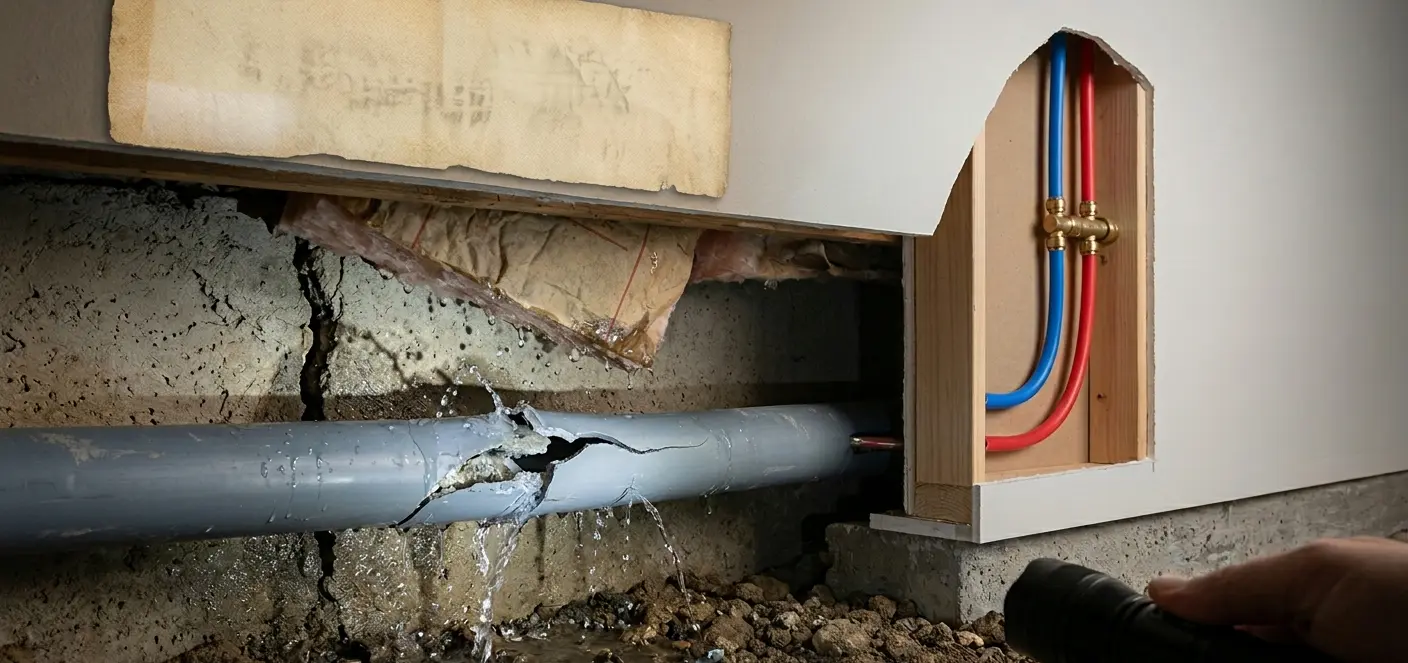
Thousands of Bay Area homes built between 1975 and 1996 were plumbed with polybutylene supply lines. At the time, polybutylene was marketed as a cheaper, easier-to-install alternative to copper. The problem showed up years later: chlorine in municipal water causes the plastic to become brittle from the inside out. Micro-fractures form along the pipe walls. One day the pipe holds. The next day it splits.
San Ramon’s building boom overlapped directly with the polybutylene era. Early phases of Gale Ranch, portions of Bollinger Hills, Twin Creeks, and other 1980s-1990s developments are within the risk window.
Warning Signs
Fault creep moves the ground at a rate of about 4 to 5 millimeters per year. That sounds small, but it adds up. Over 30 years, the ground on one side of the fault has shifted nearly 6 inches relative to the other side. Rigid pipe materials like cast iron, clay, and old galvanized steel cannot flex with that movement. Instead, pipe sections get pulled apart at joints, creating gaps where soil washes in and sewage leaks out. Supply lines develop stress fractures. Connections at the foundation wall crack as the house and the buried pipe move in different directions.
What We Recommend
If your San Ramon home was built between 1975 and 1997, schedule a pipe material inspection. We identify what is in your walls, assess its condition, and present your options clearly. For confirmed polybutylene systems, a whole-home repipe to PEX or copper eliminates the risk permanently. We handle the permits, the inspection, and the restoration of any drywall we open during the process.
Sewer Line Problems in San Ramon's Established Neighborhoods
Symptoms
How We Fix It
We start with a sewer camera inspection to confirm the problem, identify the pipe material, and measure the damage. For moderate root invasion where the pipe walls are still intact, mechanical rootering combined with hydro-jetting restores full flow. If the pipe is compromised, trenchless pipe bursting replaces the damaged line without excavating your yard. For severe structural failure, pipe bursting pulls a new HDPE line through the existing path and avoids traditional open-trench excavation.
Describe Your Problem. We'll Call You Back Today.
San Ramon Plumbing Permits, Codes, and What You Need to Know
The City of San Ramon requires permits for any plumbing work that involves replacing concealed pipes, including drain lines, water supply lines, soil pipes, waste lines, and vent pipes. That covers water heater replacement, whole-house repiping, sewer line replacement, new gas line installation, and any connection to the city water or waste main.
Minor repairs like fixing a leaking faucet, clearing a drain stoppage, or replacing a toilet flapper do not require a permit. But anything that changes the layout or replaces a section of concealed piping does.
We handle every step. When you hire Barnett Plumbing, your permits are filed with the City of San Ramon, your inspections are scheduled, and your completed work is documented and code-compliant. You don’t touch a single form.
Why San Ramon Homeowners Choose Barnett Plumbing & Water Heaters
Over 900 families across the Tri-Valley have left us five-star reviews. We’ve held CA Contractor License #910529 (C-36 Plumbing, C-16 Fire Protection) since 2005. We carry full general liability coverage, workers’ compensation through Benchmark Insurance Company, and a $15,000 bond through American Contractors Indemnity Company.
Our closest office to San Ramon is at 4713 First Street, Suite 242, Pleasanton, CA 94566, less than 10 minutes from most San Ramon neighborhoods. We stock American Standard, Rheem, and Bradford White equipment on our trucks through Tri-Valley distributors, so parts and warranty support stay local.
Every technician arrives prepared to diagnose your issue and present your options clearly. That includes honest assessments of when a repair makes sense versus when replacement costs less over time.
Call (925) 294-0171 to schedule service.