
Low Water Pressure Isn’t Always What You Think It Is
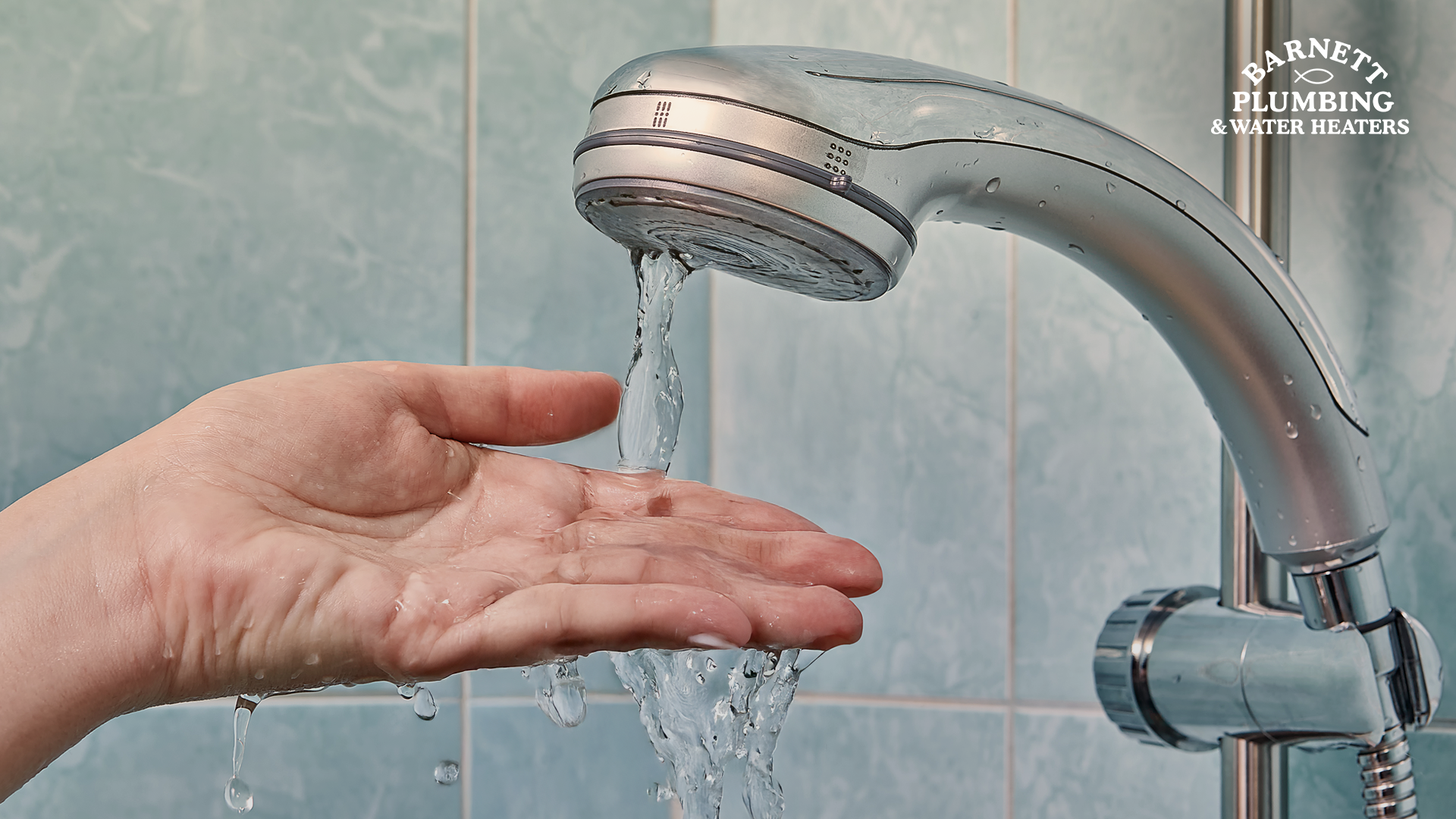
You turn on the shower and the stream barely reaches your shoulders. The kitchen faucet takes forever to fill a pot. The garden hose produces a weak arc that wouldn’t impress a toddler. Something is wrong with the water pressure. But what?
The tricky thing about low water pressure is that the cause can live anywhere between the city main and the faucet aerator. The fix might cost nothing (cleaning a clogged aerator) or several thousand dollars (replacing corroded pipes). Diagnosing the source before calling anyone saves time, money, and frustration.
First: Is It the Whole House or One Fixture?
This is the single most important diagnostic question. Walk through the house and test every faucet, shower, and outdoor hose bib. Hot and cold separately.
If only one fixture is affected, the problem is local. A clogged aerator, a partially closed valve under the sink, or a failing cartridge in the faucet itself. These are inexpensive fixes.
If only the hot water is weak but cold pressure is fine throughout the house, the restriction is at the water heater or in the hot water distribution pipes. Sediment buildup in the tank, a partially closed inlet valve on the water heater, or corroded hot water pipes are the usual suspects.
If every fixture in the house has low pressure on both hot and cold, the problem is upstream. The main shut-off valve, the pressure regulator, the service line from the street, or the municipal supply itself.
The Pressure Regulator
Most homes in the Tri-Valley have a pressure-reducing valve (PRV) installed where the main water line enters the house. The PRV takes the municipal supply pressure, which can run 80 to 150 PSI depending on your elevation and proximity to water mains, and reduces it to a safe household level, typically 50 to 65 PSI.
The Uniform Plumbing Code requires a PRV when the incoming pressure exceeds 80 PSI. The code also sets a minimum: residential water pressure should not drop below 20 PSI at any fixture under flow conditions, though most people notice problems below 40 PSI.
PRVs wear out. The internal spring and diaphragm degrade over 7 to 12 years, and as they fail, they either stick open (sending dangerously high pressure into the house) or stick closed (starving the house of pressure). A failing PRV is one of the most common causes of whole-house low water pressure, and replacement costs $350 to $600 installed.
You can test your water pressure with a gauge that screws onto any hose bib. They cost $10 at any hardware store. If you’re reading below 40 PSI, you’ve confirmed the problem. If you’re reading above 80 PSI, you have the opposite problem, high pressure that stresses pipes, valves, and appliances.
The Main Shut-Off Valve
The main shut-off valve controls all water flow into the house. If it’s not fully open, it restricts flow to every fixture. This sounds obvious, but it happens more often than you’d expect. A shut-off valve that was partially closed during a repair and never fully reopened will reduce pressure throughout the house.
Gate valves, the type with a round handle that you turn clockwise to close, are common in older homes. They’re also prone to corrosion that prevents them from opening fully. The gate (a metal disc inside the valve body) can corrode in a partially closed position and refuse to move. Replacing a corroded gate valve with a modern ball valve (quarter-turn lever) is a $200 to $400 job that solves the restriction and gives you a more reliable shut-off.
Corroded or Clogged Pipes
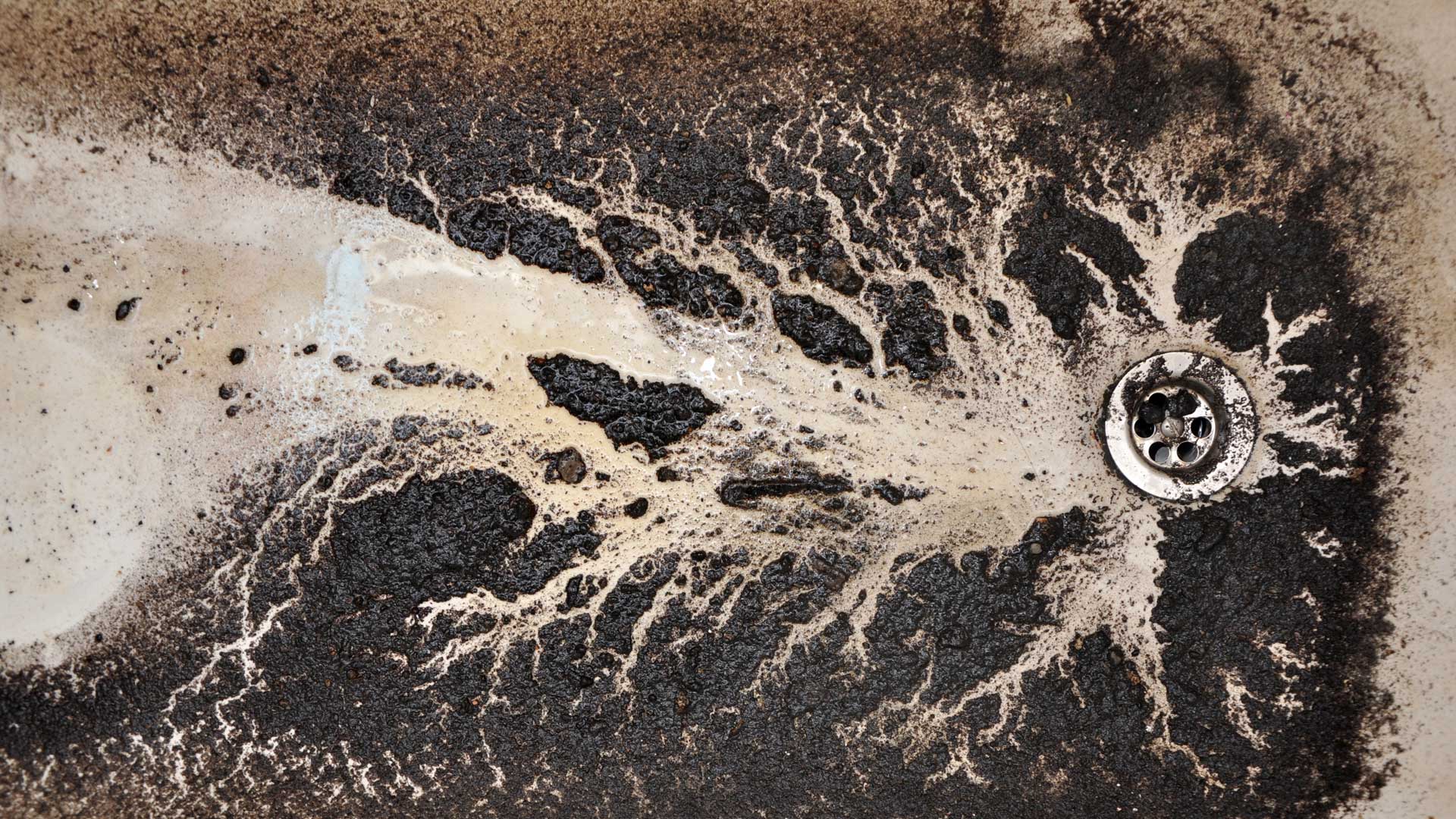
Homes built before the mid-1970s often have galvanized steel water supply pipes. Galvanized pipes corrode from the inside out. Over decades, the internal diameter narrows as rust and mineral deposits build up on the pipe walls. A pipe that started with a 3/4-inch opening may have an effective opening of 1/4 inch after 40 years of corrosion.
The EPA has also documented that corroded galvanized pipes can leach lead into drinking water, particularly when the galvanized coating wears through to expose the underlying steel. This is primarily a concern in homes built before 1986, when lead solder was commonly used on pipe joints.
If your home has galvanized pipes and the pressure has been declining gradually over years, the pipes are the problem. No amount of valve adjustment or PRV replacement will fix corroded pipes. The solution is a whole-house repipe to modern copper or PEX. It’s a bigger investment ($5,000 to $15,000 for a typical home), but it solves the pressure problem permanently and eliminates the water quality risk.
Municipal Supply Issues
Sometimes the problem isn’t in your house at all. Municipal water systems occasionally experience pressure drops from:
- Fire hydrant flushing or fire department use nearby
- Water main breaks or repairs in your neighborhood
- Peak demand periods (early morning and evening when everyone is showering)
- Elevated terrain that puts your home at the high end of a pressure zone
If the low pressure is sudden and affects your neighbors too, it’s almost certainly a supply-side issue. Call your water utility. In the Tri-Valley, that’s Zone 7 Water Agency (wholesale) distributed through Cal Water, Dublin San Ramon Services District, or the City of Livermore, depending on your address.
If you live at a higher elevation and chronically low pressure is a fact of life, a booster pump system can solve it. A booster pump installs on the main line and actively increases the pressure to your target level. They cost $1,500 to $3,000 installed and require electricity to operate, but they’re the only solution when the municipal supply simply can’t deliver enough pressure to your property.
Hot Water Pressure Problems Specifically
Low pressure on hot water only, with normal cold water pressure, isolates the problem to the water heater or hot water pipes.
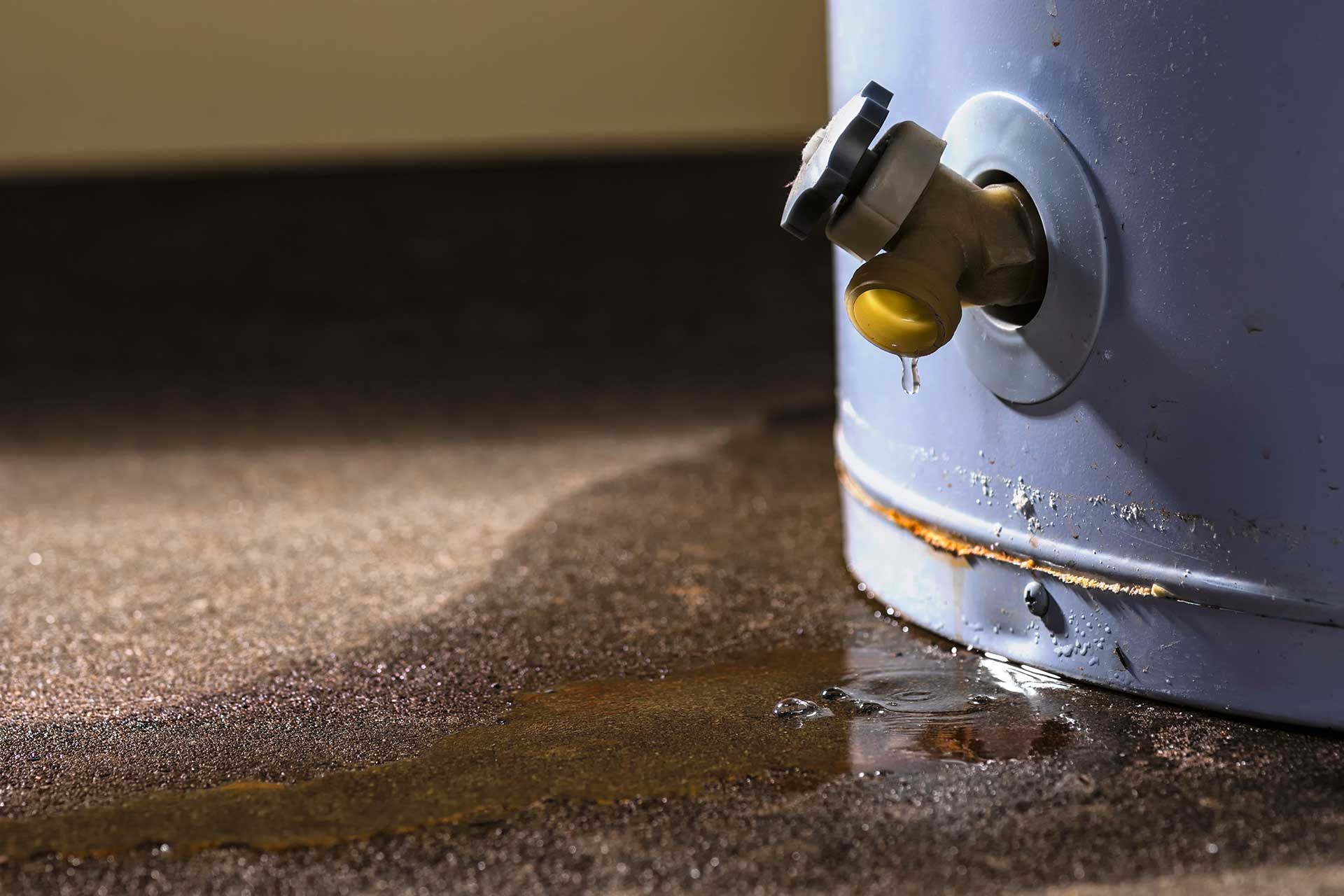
Sediment in the water heater. Years of mineral buildup inside the tank can partially block the hot water outlet. This is especially common in homes with hard water that skip annual tank flushes. A professional flush often restores normal flow.
Partially closed inlet valve. The cold water inlet valve on top of the water heater controls the supply. If it’s not fully open, hot water pressure drops throughout the house. Check it. Turn it counterclockwise until it stops.
Cross-connected recirculation system. Recirculation pumps that send hot water back to the heater can cause pressure imbalances if the check valve fails. Hot water bleeds into the cold line, dropping the effective pressure at hot-water fixtures.
What You Can Fix Without Calling a Plumber
- Clean aerators. Unscrew the aerator from any affected faucet and rinse out the screen. Mineral deposits and debris collect here and restrict flow. Takes two minutes.
- Check the main shut-off valve. Make sure it’s fully open. Turn it counterclockwise until it stops.
- Check the water heater inlet valve. Same thing. Fully open means fully counterclockwise.
- Test the pressure. Buy a $10 gauge and check your PSI at a hose bib. Below 40 is low. Above 80 is high. Either one warrants a call.
If none of these solve the problem, the issue is deeper in the system, a failing PRV, corroded pipes, or a supply-side limitation. That’s when you call a plumber.
Contact Barnett Plumbing and Water Heaters or call (925) 294-0171. We’ll diagnose the source with a pressure test and leak detection inspection, then give you options with clear pricing before any work starts.