
They Cost More Up Front Than Almost Any Other Water Heater
A hybrid water heater pairs heat pump technology with a traditional electric heating element. Two systems in one unit. That dual engineering drives the price up significantly compared to a standard electric or gas water heater.
Most hybrid heat pump water heaters land between $1,800 and $3,500 for the unit alone, before installation. A comparable electric-only tank? Roughly $500 to $1,200. The gap is real, and it catches people off guard.
The long-term math works in the hybrid’s favor. The U.S. Department of Energy estimates that heat pump water heaters use up to 60% less electricity than conventional electric models, which can translate to $300 or more in annual savings. But “pays for itself in a few years” still means writing a larger check today.
California homeowners have it better than most. Between TECH Clean California rebates ($1,100 to $4,300 depending on your utility and income), the federal 25C tax credit, and HEEHRA point-of-sale discounts up to $1,750, some buyers stack over $4,900 in total incentives. That can bring the net cost close to a standard gas unit. We help our customers figure out exactly which water heater costs and rebates apply to their situation.
They Take Up More Space Than a Standard Tank
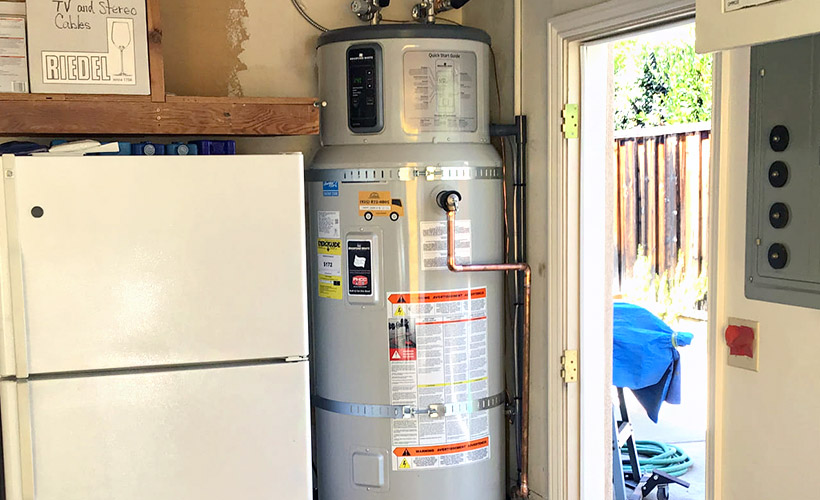
The heat pump mechanism sits on top of the tank. That adds roughly 8 to 12 inches of height compared to a traditional water heater of the same capacity. A 50-gallon hybrid electric water heater might stand over 6 feet tall.
Width and depth stay roughly the same. The real constraint is vertical clearance, especially in low-ceiling utility closets, crawl spaces, or garages with overhead ductwork. The unit also needs at least 750 to 1,000 cubic feet of surrounding air space to operate its heat pump efficiently. A cramped closet won’t cut it.
For most homes in the Tri-Valley, this is a non-issue. Garages have plenty of room. But if your current water heater sits in a tight indoor closet, you may need to relocate it. Our team can evaluate whether a hybrid hot water heater will fit during a water heater installation consultation.
They Cool the Room They Sit In
This is the downside almost nobody talks about. A hybrid water heater doesn’t generate heat from scratch. It pulls warmth from the surrounding air and transfers it into the water tank. That means the air around the unit gets cooler and drier while the heat pump runs.
How much cooler? The cooling output measures roughly 3,250 BTU per hour, about one kilowatt. That’s comparable to a small window air conditioner. In summer, that’s a free bonus. Your garage or utility room gets a bit of air conditioning while you heat water.
In winter, the math flips. An NREL field study on heat pump water heaters confirmed that units installed in conditioned spaces “directly affect the space-conditioning loads of the building.” Translation: your furnace works harder to replace the heat the water heater just pulled out of the room. That can partially offset the energy savings you expected.
The practical fix is location. Install the unit in an unconditioned space like a garage, and the cooling effect becomes irrelevant. Install it near a furnace or laundry dryer, and it feeds on the excess heat those appliances throw off. Where you put it matters more than most buyers realize.
They Run Louder Than You Expect
A traditional tank water heater makes almost no noise. Maybe a faint hum when the burner kicks on. A hybrid unit runs a compressor and a fan. Those moving parts produce real, audible sound.
Most models operate between 49 and 60 decibels, roughly the volume of a running dishwasher or a microwave. The ENERGY STAR NextGen certification now requires units installed in living spaces to stay below 55 dBA. That tells you something about how common noise complaints have become.
Rheem, one of the most popular hybrid water heater manufacturers, has acknowledged receiving complaints about compressor and fan noise exceeding advertised specs. Some homeowners have measured real-world levels at 75 to 80 decibels, far louder than the spec sheet promised.
If your water heater sits in the garage, this won’t bother anyone. If it’s in a utility closet next to the master bedroom, you will notice it. Factor noise into your placement decision the same way you factor space and airflow.
They Still Depend on a Tank
The “hybrid” in hybrid water heater refers to the heating method, not the storage. These units still hold 50 to 80 gallons of water in a traditional tank. When that tank runs empty, you wait for recovery. The electric backup element speeds things up, but the wait still exists.
For most households, the tank capacity handles daily demand without trouble. A 50-gallon hybrid keeps up with back-to-back showers, a load of laundry, and a dishwasher cycle. Where it falls short is sustained, heavy draw. If you routinely drain large volumes of hot water over a short period, a tankless water heater might be a better fit.
The tank also means standby heat loss. Even with heavy insulation, some thermal energy bleeds through the walls 24 hours a day. Tankless units avoid this entirely because they heat on demand. That said, the hybrid’s heat pump mode is so efficient that the standby loss barely registers on your utility bill compared to a conventional electric tank.
They Require More Maintenance Than a Standard Water Heater
Every water heater needs some attention. Annual anode rod checks, periodic flushing. A hybrid unit adds to that baseline because of the heat pump components bolted to the top.
Here’s what the maintenance schedule actually looks like:
- Air filter: Clean every 3 to 6 months. If you have pets or a dusty garage, bump that to monthly. A clogged filter chokes airflow and forces the compressor to work harder.
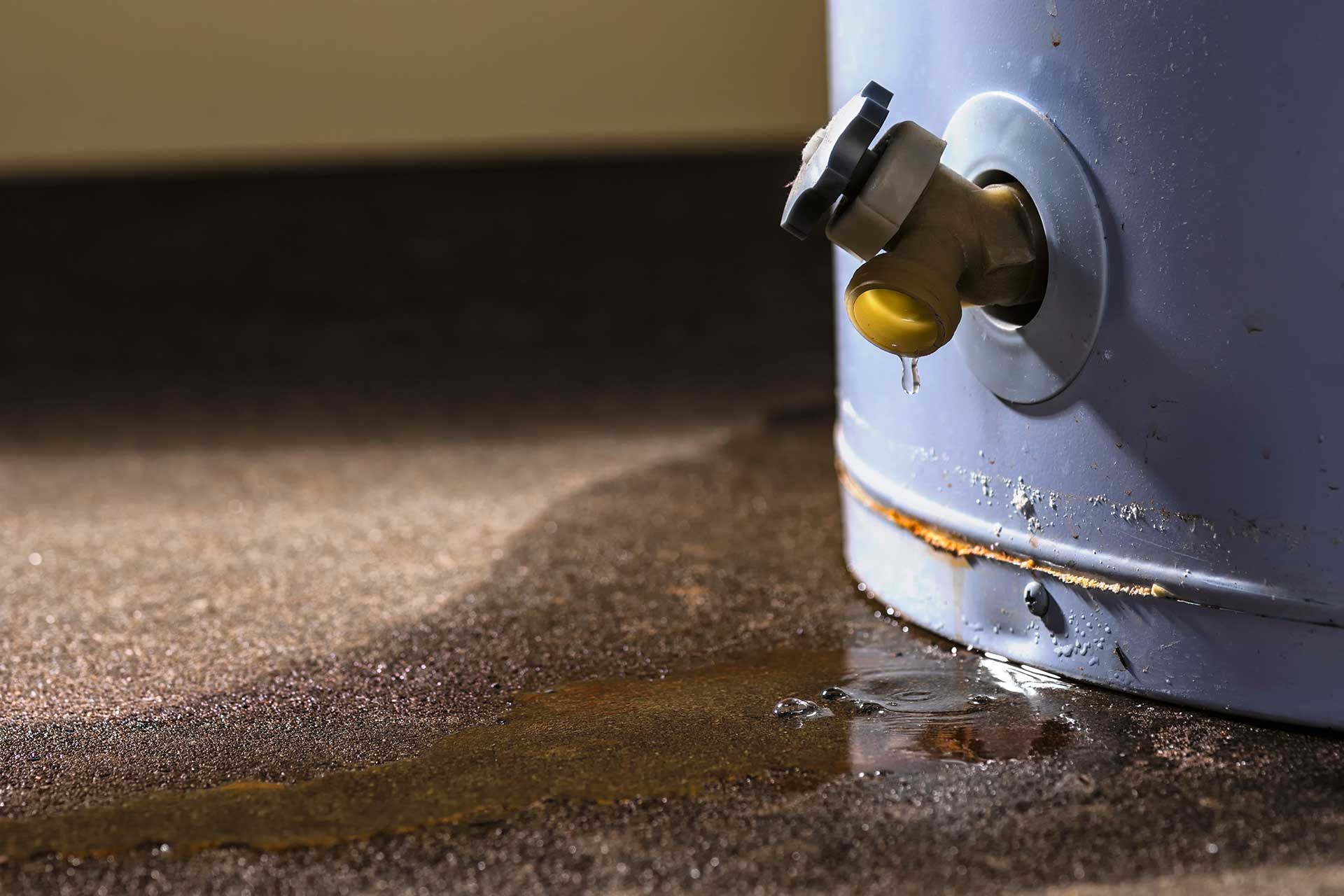
- Condensate drain line: The heat pump pulls moisture from the air and drips it into a drain pan. A typical unit produces 1 to 2 quarts of condensate per day. That water needs somewhere to go. Check the drain line for clogs and mineral scale buildup at least twice a year.
- Anode rod: Inspect annually, same as any tank water heater. Replace when it’s corroded past the halfway point.
- Professional service: Manufacturers recommend a professional inspection at least once per year.
A Massachusetts field evaluation of 14 installed heat pump water heaters found that 11 required condensate pumps, and one unit had its drain pan full with the bottom 2.5 inches sitting in standing water due to an improperly pitched condensate line. Proper installation and regular checkups prevent that scenario, but it illustrates why you can’t treat a hybrid unit like a set-and-forget appliance.
The NYSERDA heat pump water heater maintenance guide lays out the full schedule if you want the official checklist. Our team covers all of this during routine water heater maintenance visits.
So Should You Still Get One?
Every one of these downsides has a practical workaround. The upfront cost drops significantly with California rebates and federal tax credits. The size and noise issues disappear with the right placement. The cooling effect becomes a benefit if the unit lives in a warm garage. And the maintenance, while real, is straightforward for any licensed plumbing team.
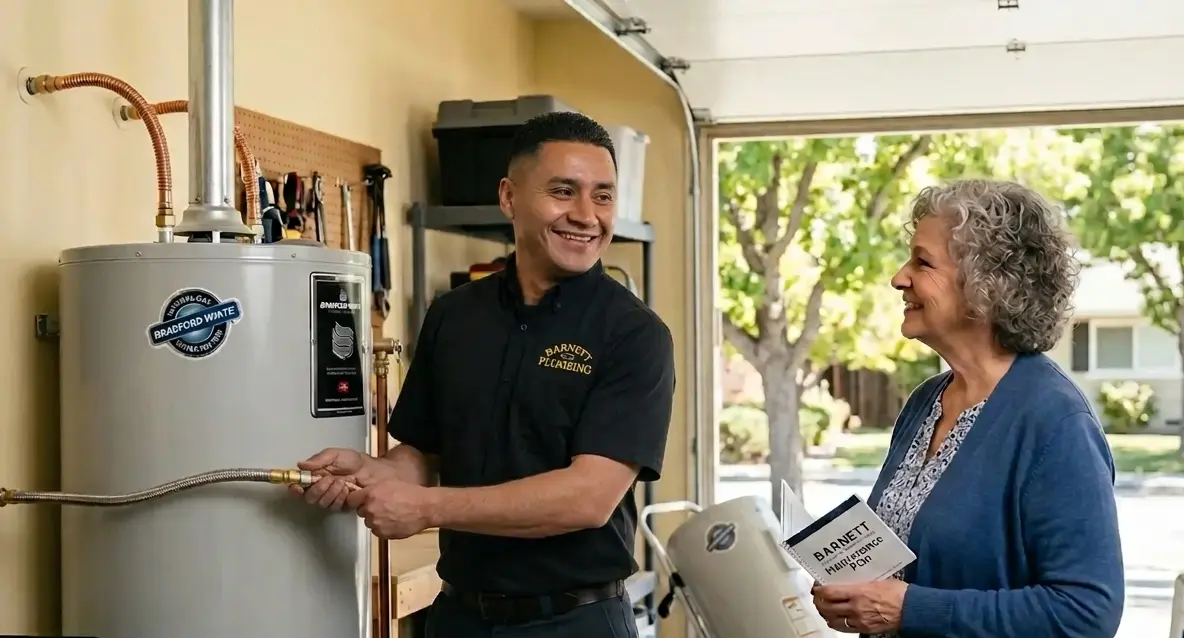
Hybrid heat pump water heaters remain the single most energy-efficient way to heat water in a residential setting. Barnett Plumbing and Water Heaters is DOE “Energy Skilled” certified and has installed hundreds of these units across the Tri-Valley and Bay Area. If you want to know whether a hybrid is the right call for your home, or if a heat pump water heater makes more sense than sticking with gas, give us a call. We’ll walk through the specifics of your space, your hot water usage, and your utility bill savings potential before you commit to anything.