
Your Water Heater Gives Warnings Before It Fails. Most People Miss Them.
Water heaters rarely die without notice. They send signals for weeks or months before the final failure, but those signals are easy to ignore when everything still seems to work. Hot water comes out of the faucet, so the heater must be fine. Until it isn’t.
The average water heater lasts 8 to 12 years. According to the U.S. Department of Energy, water heating accounts for roughly 20% of a home’s energy use, making it the second-largest energy expense after heating and cooling. A failing unit doesn’t just risk a flood. It wastes energy every day it limps along. Here’s what to watch for.
Rusty or Discolored Hot Water
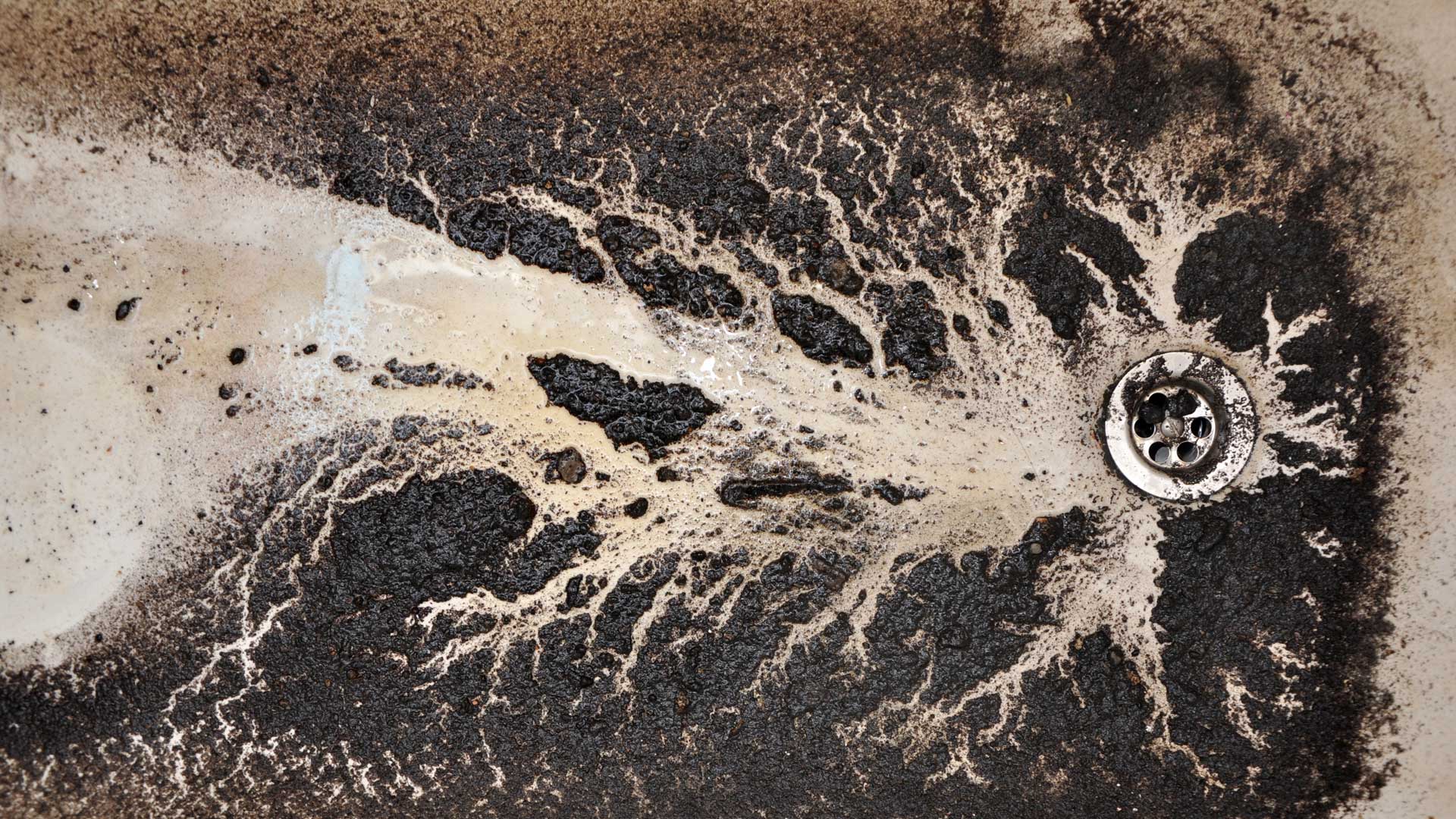
Clear cold water and brown hot water points directly at your water heater. The steel tank is lined with glass to prevent corrosion, but that lining cracks over time. Once exposed steel meets water, rust forms and flakes into your supply.
Before blaming the heater, run cold water for a few minutes. If the cold runs clear but the hot doesn’t, the tank is the source. Rusty water from both taps suggests corroded galvanized pipes feeding the house, which is a different problem that a whole-house repipe can solve.
A sacrificial anode rod inside the tank exists specifically to absorb corrosion so the tank walls don’t have to. Research from the Pacific Northwest National Laboratory found that tank failures trace directly to anode rod deterioration. Once the rod is spent, the tank itself becomes the target. If your water heater is past the 5-year mark and you’ve never replaced the anode rod, that’s where the rust is starting.
Strange Sounds From the Tank
Popping, rumbling, and crackling noises come from sediment buildup at the bottom of the tank. Minerals in your water settle out as the water heats, forming a layer of calcium and magnesium deposits. The burner or heating element has to fire through that layer, trapping pockets of water that superheat and pop.
Early-stage sediment noise responds well to a professional tank flush. But if you’ve never flushed the tank and the rumbling has been building for years, the sediment may have hardened into a crust. At that point, flushing helps but may not fully resolve the noise, and the damage to heating efficiency is already done.
Loud banging that seems to come from the pipes rather than the tank itself is usually water hammer, a different issue with a different fix.
Inconsistent Water Temperature
A water heater that delivers lukewarm water, or swings between hot and cold during a single shower, has a failing heating element or a thermostat losing calibration. On electric units, the lower element typically fails first because it sits in the sediment zone. On gas units, a thermocouple going bad will cause intermittent heating.
Before assuming the worst, check the thermostat setting. Someone may have bumped it. The Consumer Product Safety Commission recommends 120 degrees Fahrenheit to balance comfort, energy efficiency, and scald prevention. If the setting is correct and the water still can’t hold temperature, the unit needs professional diagnosis.
Water Pooling Around the Base
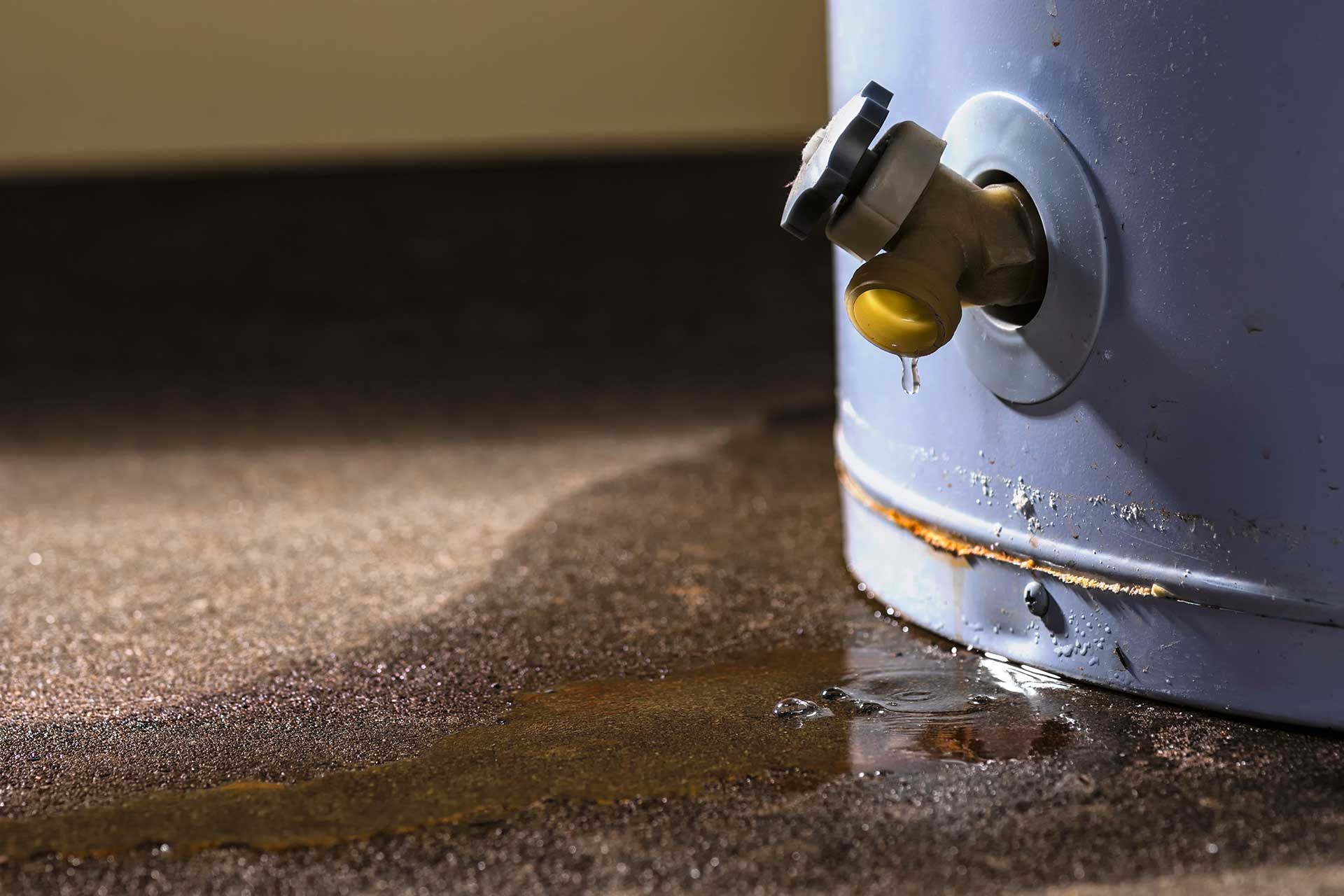
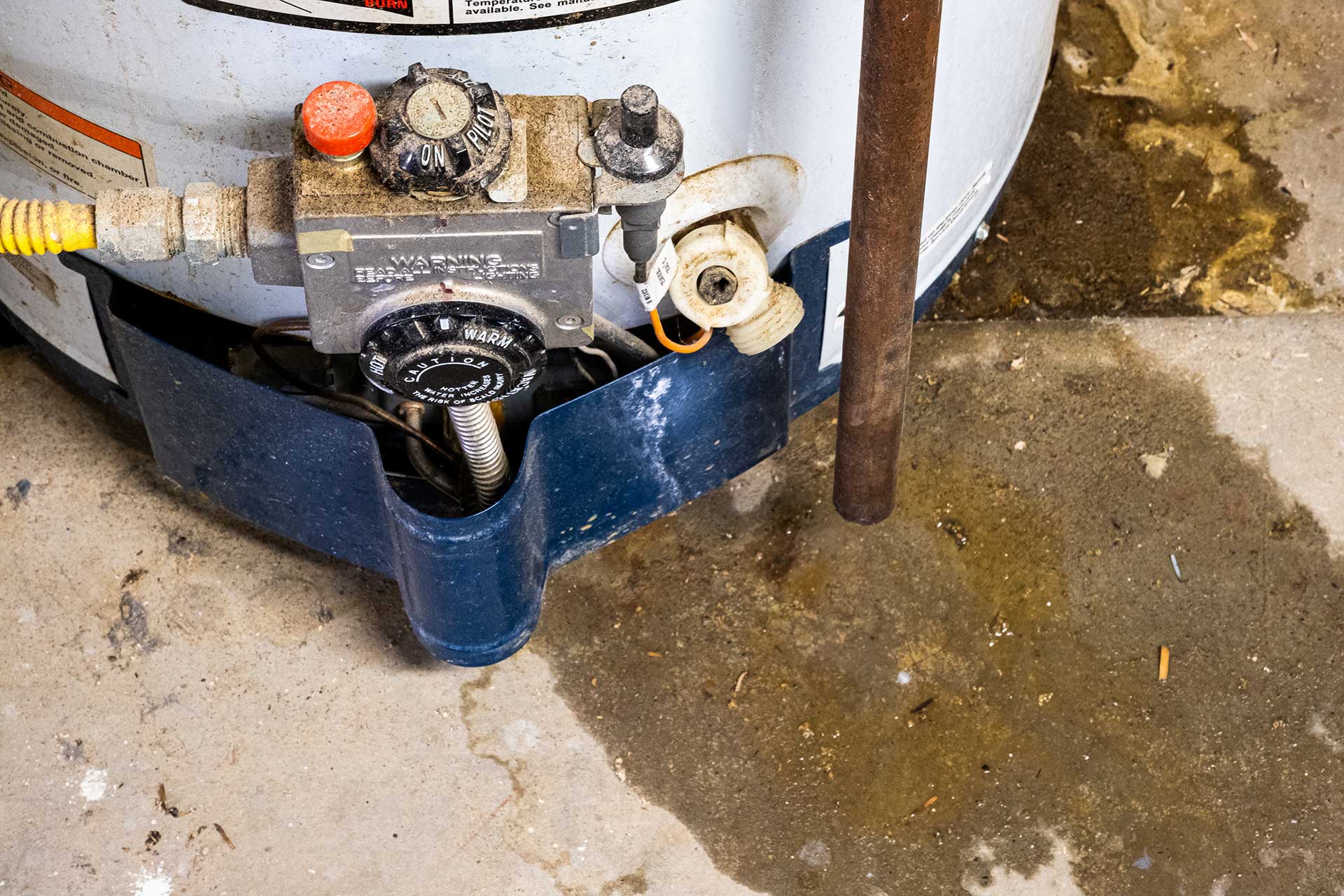
Any water on the floor around a water heater demands immediate attention. Small puddles might come from condensation or a leaking fitting, both of which are fixable. But water seeping from the tank body itself means internal corrosion has eaten through the liner and the steel wall.
A tank leak cannot be repaired. The structural integrity of the vessel is compromised, and the leak will only grow. The Insurance Information Institute reports that water damage and freezing claims average over $12,500 per incident. A water heater that starts leaking on a Friday night while you’re out of town can cause that kind of damage in hours.
If you spot a leak at the base of your water heater, turn off the power (breaker for electric, gas valve for gas) and the cold water supply valve above the tank. Then call a plumber.
The Unit Is Past Its Expected Lifespan
Age alone isn’t a death sentence, but it changes the math. A 14-year-old tank water heater that needs a $400 repair is a bad investment. That same repair on a 6-year-old unit makes perfect sense.
Find your water heater’s age by checking the serial number on the manufacturer’s label. Most brands encode the manufacture date in the first four digits. A serial starting with “0718” typically means July 2018. If you can’t decode it, search the manufacturer’s website or ask your plumber during a maintenance visit.
Tank water heaters generally last 8 to 12 years. Tankless units can push 20 years with proper maintenance. Heat pump water heaters typically last 13 to 15 years. Any unit past its expected range deserves closer monitoring, even if it seems to be working fine today.
Rising Energy Bills With No Other Explanation
A water heater losing efficiency doesn’t announce itself with a dramatic failure. It just works harder. The burner fires longer. The element stays on more. Your gas or electric bill creeps up by $15 or $20 a month, and you chalk it up to rate increases.
Compare your utility bills year over year for the same months. If heating costs have climbed but your usage habits haven’t changed, an aging water heater is a likely culprit. The DOE estimates that a new ENERGY STAR certified heat pump water heater can save a household $550 per year compared to a standard electric tank. Even replacing an old gas tank with a new one of the same type typically cuts energy use by 10 to 15 percent, because efficiency standards have improved over the past decade.
What to Do When You See These Signs
One warning sign on its own might mean a simple repair. Two or three together, especially on a unit past the 10-year mark, usually mean replacement is the smarter financial move. The cost of a new water heater installation is predictable and planned. The cost of an emergency replacement after a tank rupture is not.
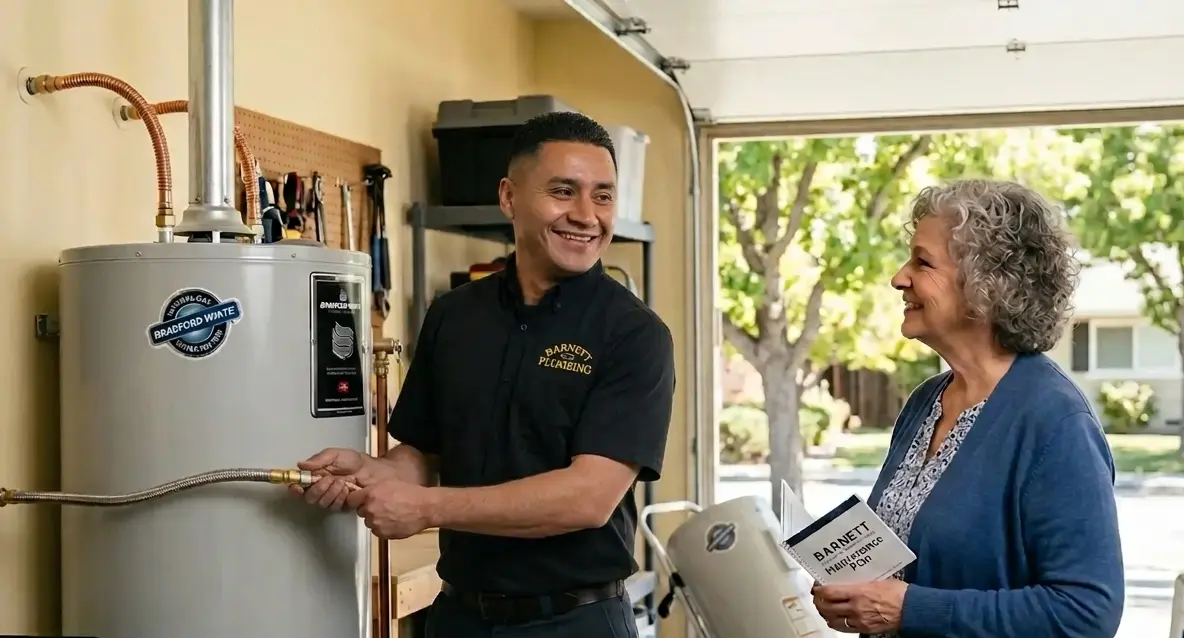
If your water heater is showing any of these signs, contact Barnett Plumbing and Water Heaters or call (925) 294-0171. A technician can inspect the unit, test the anode rod, check for leaks, and give you an honest assessment of how much life is left.