
Every Water Heater Makes Some Noise. Here’s When to Worry.
A water heater is not a silent appliance. Gas units fire a burner. Electric units hum. You hear the tank fill. None of that means anything is wrong.
The noises that matter are the ones that change. A pop that wasn’t there last month. A rumble that gets louder every week. A screech when someone turns on a faucet. Those are your water heater telling you something specific, and if you know what each sound means, you can catch small problems before they turn into a flooded garage and a $2,000 emergency replacement.
Popping or Rumbling From Inside the Tank
This is the most common water heater noise, and it almost always traces back to sediment.
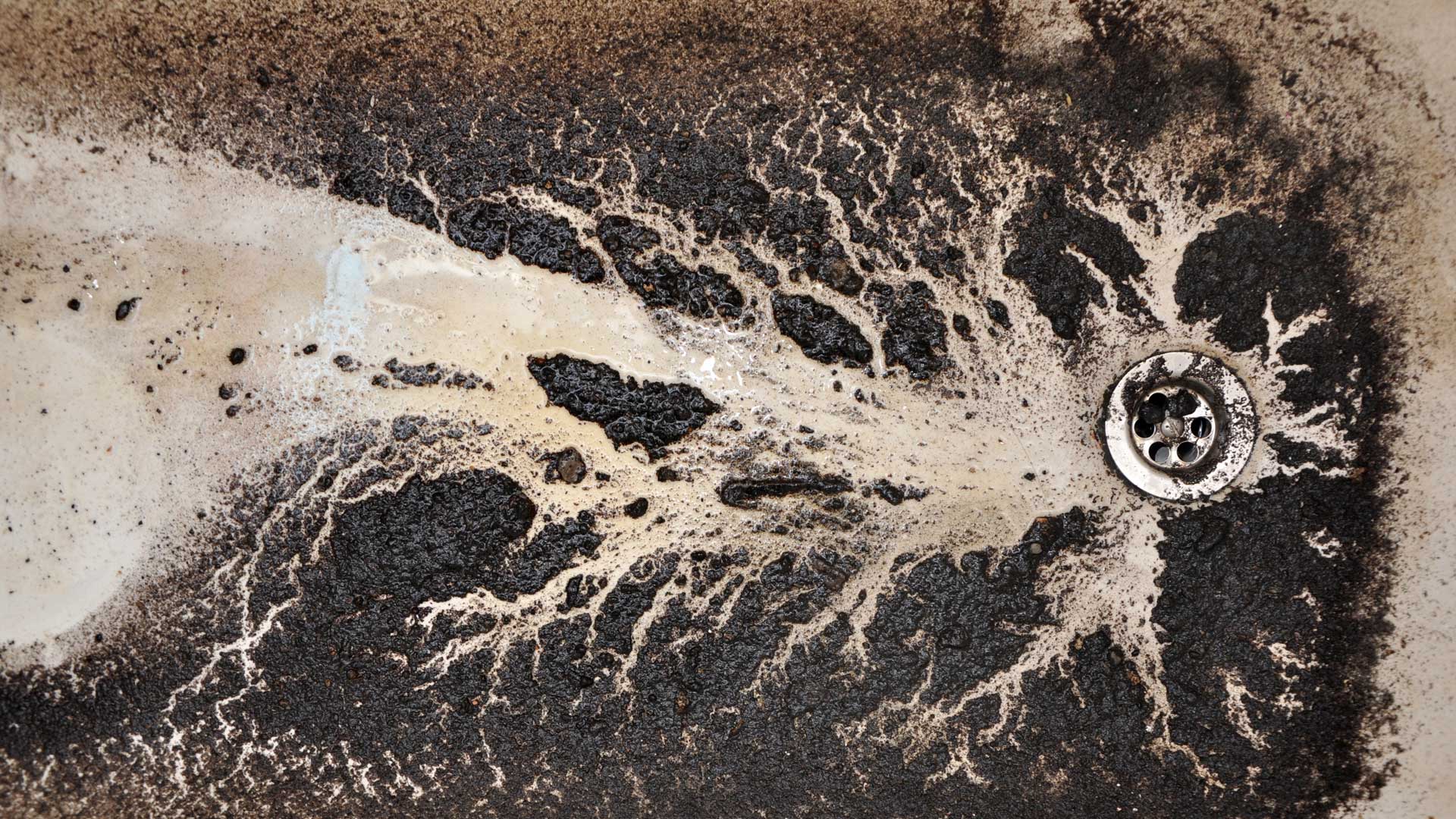
Minerals in your water, mostly calcium and magnesium, separate out as the water heats. They sink to the bottom of the tank and form a layer of chalky buildup. Over time, that layer thickens and traps pockets of water beneath it. When the burner or heating element fires, those trapped pockets superheat and burst through the sediment. That’s the pop.
A Pacific Northwest National Laboratory study on water quality impacts found that hard water reduced a gas storage water heater’s efficiency from 70.4% to 67.4% in just two years of simulated use. That 3% drop comes entirely from scale insulating the tank bottom and forcing the burner to work harder. The study used accelerated testing at 444 mg/L hardness, but even at moderate Tri-Valley water hardness, the pattern holds. Sediment accumulates. Efficiency drops. Noise increases.
What to do: Flush your water heater tank at least once a year. If you live in an area with hard water, twice a year is better. A professional flush clears the sediment, quiets the popping, and restores heating efficiency. If you hear rumbling rather than popping, the buildup is likely more severe and the tank may need a thorough drain-and-flush rather than a quick valve purge.
Knocking or Banging From the Pipes
If the banging comes from the pipes rather than the tank itself, you’re probably dealing with water hammer.
Water hammer happens when a valve shuts suddenly and the moving water column slams to a stop. That abrupt stop creates a pressure shockwave that travels back through the pipes. In lab testing, these shockwaves have measured over 300 PSI, more than five times the normal 40 to 60 PSI in a residential system. At those pressures, pipe joints can loosen, fittings can crack, and in extreme cases, pipes can burst.
Washing machines and dishwashers are common triggers because their solenoid valves snap shut instantly. You hear the bang right after the fill cycle ends.
What to do: A water hammer arrestor, available at most hardware stores for under $20, absorbs the shockwave. It installs on the supply line near the offending appliance. If the banging is severe or widespread across multiple fixtures, a plumber should check your system pressure and consider a pressure-reducing valve or expansion tank. Water hammer strong enough to shake the walls warrants a professional visit, not a DIY fix.
Hissing or Sizzling Sounds
On a gas water heater, a sizzle usually means condensation is dripping onto the burner. When cold water enters the tank, the temperature difference causes moisture to form on the outside of the tank bottom and drip down. The droplets hit the hot burner and sizzle. Completely normal during heavy use, especially in winter when incoming water is coldest.
On an electric water heater, a persistent hiss can mean the lower heating element is partially buried in sediment. Water seeps through the sediment, contacts the superheated element, and flashes to steam. That steam escape is the hiss you hear.
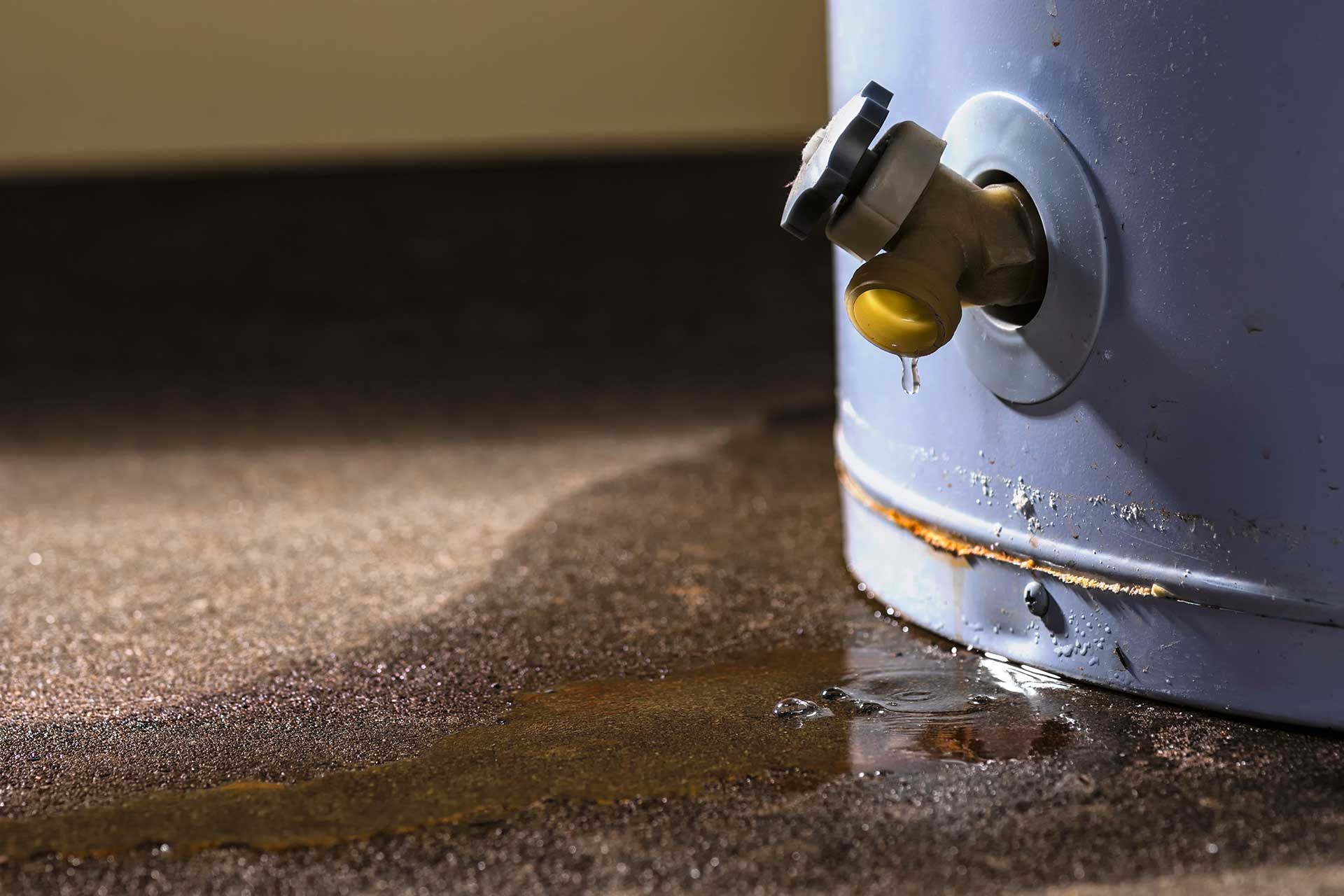
What to do: Occasional sizzling on a gas unit? Ignore it. Constant hissing on an electric unit? Drain the tank and check the heating element. If you see water pooling at the base of any water heater, gas or electric, call a technician. A leak near electrical components or a gas burner is a safety issue, not a noise issue.
Whistling or Screeching
High-pitched sounds almost always point to restricted flow. Something is partially closed that should be fully open, and water is being forced through a narrow gap at high velocity.
The usual suspects are the temperature and pressure (T&P) relief valve, the inlet valve, or the outlet valve. A T&P valve that’s slightly loose or beginning to fail will let small jets of steam or water escape, producing a whistle. This valve is a critical safety device. It’s designed to open if tank pressure exceeds 150 PSI or temperature rises above 210 degrees Fahrenheit. If it’s making noise, it may be doing its job and relieving dangerous pressure.
What to do: Do not tighten or cap a whistling T&P valve yourself. If the valve is discharging water or steam, the tank pressure or temperature is too high and needs professional diagnosis. The cause could be a failed thermostat, a missing expansion tank, or a closed system without proper backflow protection. All of these require a licensed plumbing team.
Ticking or Clicking
Ticking is the least alarming water heater noise. It usually comes from thermal expansion in the pipes and fittings connected to the tank.
When hot water flows into a cold pipe, the metal expands. When the flow stops and the pipe cools, it contracts. Those tiny dimensional changes produce ticks and clicks, especially where pipes pass through wood framing or metal brackets. The sound can travel surprisingly far through the house and seem louder than its source.
Here’s a number that puts thermal expansion in perspective: when a 50-gallon water heater heats incoming water from 40 degrees to 140 degrees, the water itself expands by roughly three-quarters of a gallon. In a closed plumbing system with no expansion tank, that extra volume has nowhere to go. Pressure builds, pipes flex, and you hear the ticking.
What to do: If the ticking is minor and occasional, it’s cosmetic. Foam pipe insulation can dampen the sound where pipes contact framing. If the ticking is loud or accompanied by your T&P valve dripping, you may need an expansion tank installed. California plumbing code requires one in any closed system with a backflow preventer or check valve.
Humming
A low hum from an electric water heater is normal. The heating element vibrates slightly as current passes through it, and the tank amplifies the sound. Tightening the element can sometimes reduce it.
On a gas water heater, humming can indicate a partially blocked combustion air inlet. The unit is starving for air and the restricted flow creates the hum. This one needs a professional. A combustion air problem affects venting, and improper venting means carbon monoxide risk.
What to do: Electric hum with no other symptoms? Likely harmless. Gas unit humming? Call a plumber. Do not attempt to clear combustion air pathways yourself on a gas appliance.
The One Maintenance Task That Prevents Most Water Heater Noise
Sediment is the root cause behind popping, rumbling, reduced efficiency, and premature tank failure. An annual professional flush addresses all of it in one visit.
While the tank is drained, a good technician will also inspect the anode rod. This is a metal rod inside the tank that corrodes on purpose so the tank walls don’t have to. The PNNL study cited above found that tank leaks trace directly to anode rod deterioration. Once the rod is spent, corrosion targets the tank lining. By the time you notice a leak, the damage is done. Checking the rod annually and replacing it when it’s more than halfway corroded can add years to your water heater’s lifespan.
If your water heater has started a new sound, or an old sound is getting louder, don’t wait to see if it gets worse. Most water heater noises are easy fixes when caught early and expensive problems when ignored. Contact Barnett Plumbing and Water Heaters or call (925) 294-0171 and one of our technicians will track down the noise and fix it.